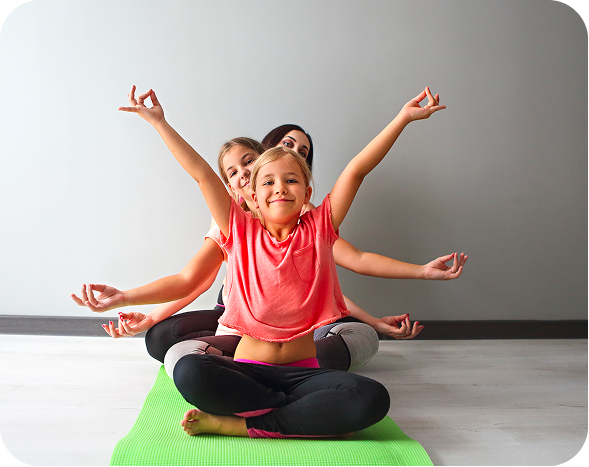
How Yoga Helps Neurodiverse Children
Yoga supports emotional regulation, focus, and body awareness through gentle movement and mindful breathing.
A Holistic Integration Approach
at Teamwork Therapies
At Teamwork Therapies, we believe in supporting the whole child—mind, body, and nervous system. Yoga is one of the holistic tools we integrate to complement Speech, Occupational, Physical, and Behavior therapies.
Yoga provides neurodiverse children with structured movement, calming breathwork, sensory regulation, and mindfulness practices that strengthen their ability to navigate daily challenges with confidence.
Benefits of Yoga for
Neurodiverse Children
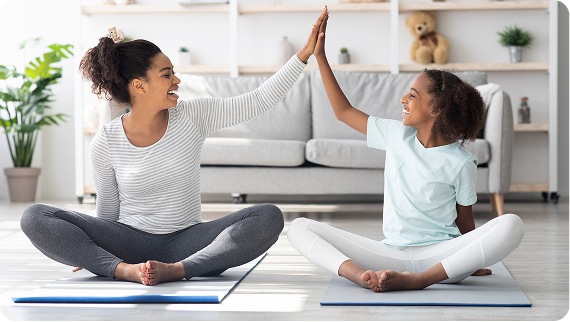
Supports Emotional Regulation
Yoga activates the parasympathetic nervous system, helping children calm their bodies and emotions. Through simple breathing practices, grounding poses, and predictable routines, children learn effective tools to manage:
- Anxiety
- Overwhelm
- Meltdowns
- Transitions
Poses like Child’s Pose, Butterfly, and Belly Breathing help reset the nervous system and promote emotional balance.
Enhances Sensory Integration
Yoga naturally stimulates the vestibular, proprioceptive, and tactile systems—key areas targeted in Occupational Therapy.
This helps improve:
- Body awareness
- Coordination
- Balance and posture
- Sensory modulation (reducing defensiveness or seeking)
Slow, controlled movements provide the predictability many neurodiverse children rely on.
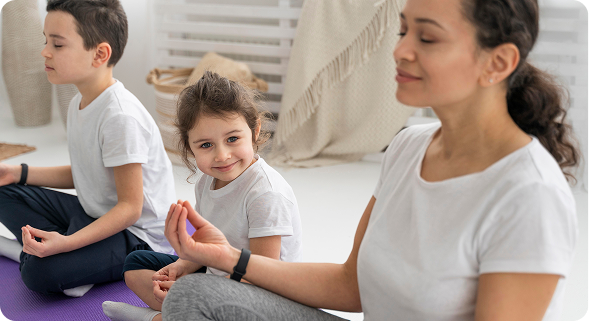
Improves Focus, Attention & Executive Functioning
Yoga encourages children to practice:
- Following multi-step directions
- Maintaining focus through movement
- Predictable transitions between poses
- Pausing before reacting
- Building impulse control
Mindfulness and movement combined improve a child’s ability to stay engaged and regulated during school, therapy sessions, and daily activities.
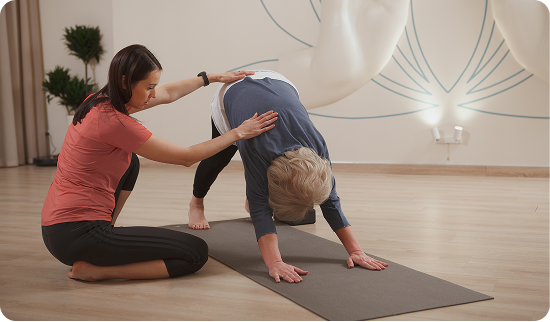
Builds Strength, Balance & Motor Skills
Yoga poses strengthen the core, improve posture, and develop coordinated movement patterns.
For neurodiverse children, this supports:
- Gross motor development
- Balance and stability
- Fine motor readiness
- Endurance and flexibility
Poses such as Tree, Warrior, and Cat–Cow help children become more confident in their bodies.
Encourages Social Connection & Confidence
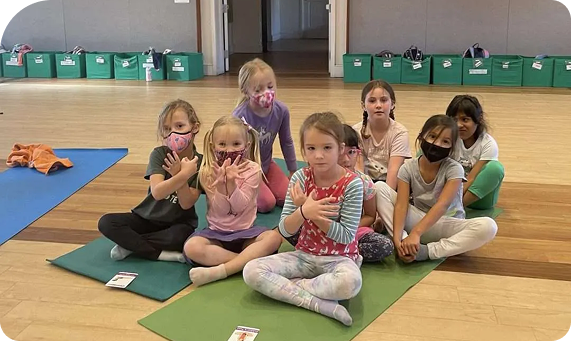
Yoga can be practiced individually or in small groups, supporting:
- Turn-taking
- Mirroring
- Cooperative activities
- Joint attention
- Following peers
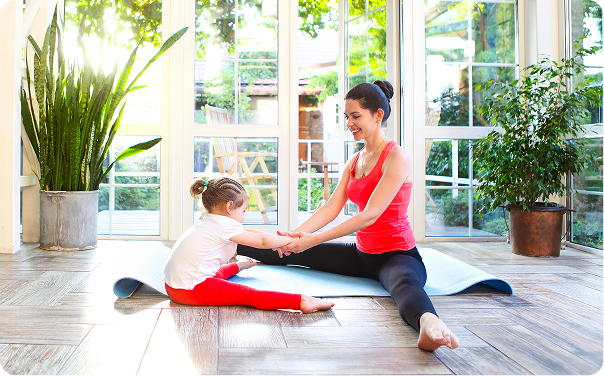
The non-competitive nature of yoga allows children to explore movement at their own pace, helping build self-esteem and confidence.
Why Yoga Works So Well
for Neurodiverse Children
Yoga is adaptable, predictable, and sensory-friendly
It is:
- Non-competitive
- Easily modified for all abilities
- Supportive of cognitive, emotional, and physical development
- Calming and grounding
- Structured with consistent routines
These qualities make yoga a powerful addition to holistic care at
Teamwork Therapies.
Integrated Into Our
Therapeutic Approach
At Teamwork Therapies, yoga is not a standalone service—it is woven into our holistic philosophy to support:
- Sensory regulation
- Mind–body connection
- Postural control
- Emotional resilience
- Engagement in therapy
Families often report that children sleep better, handle transitions more smoothly, and feel more confident after incorporating yoga-based strategies.