

 May 4, 2026
 At Teamwork Therapies, we believe in nurturing the whole child, supporting not just skill development, but confidence, independence, and joy in learning! As your child grows, you may begin to notice small but meaningful moments: trying a task before asking for help, staying with a challenge just a bit longer, or showing pride in figuring something out on their own. These moments might seem simple, but they are powerful indicators of progress.
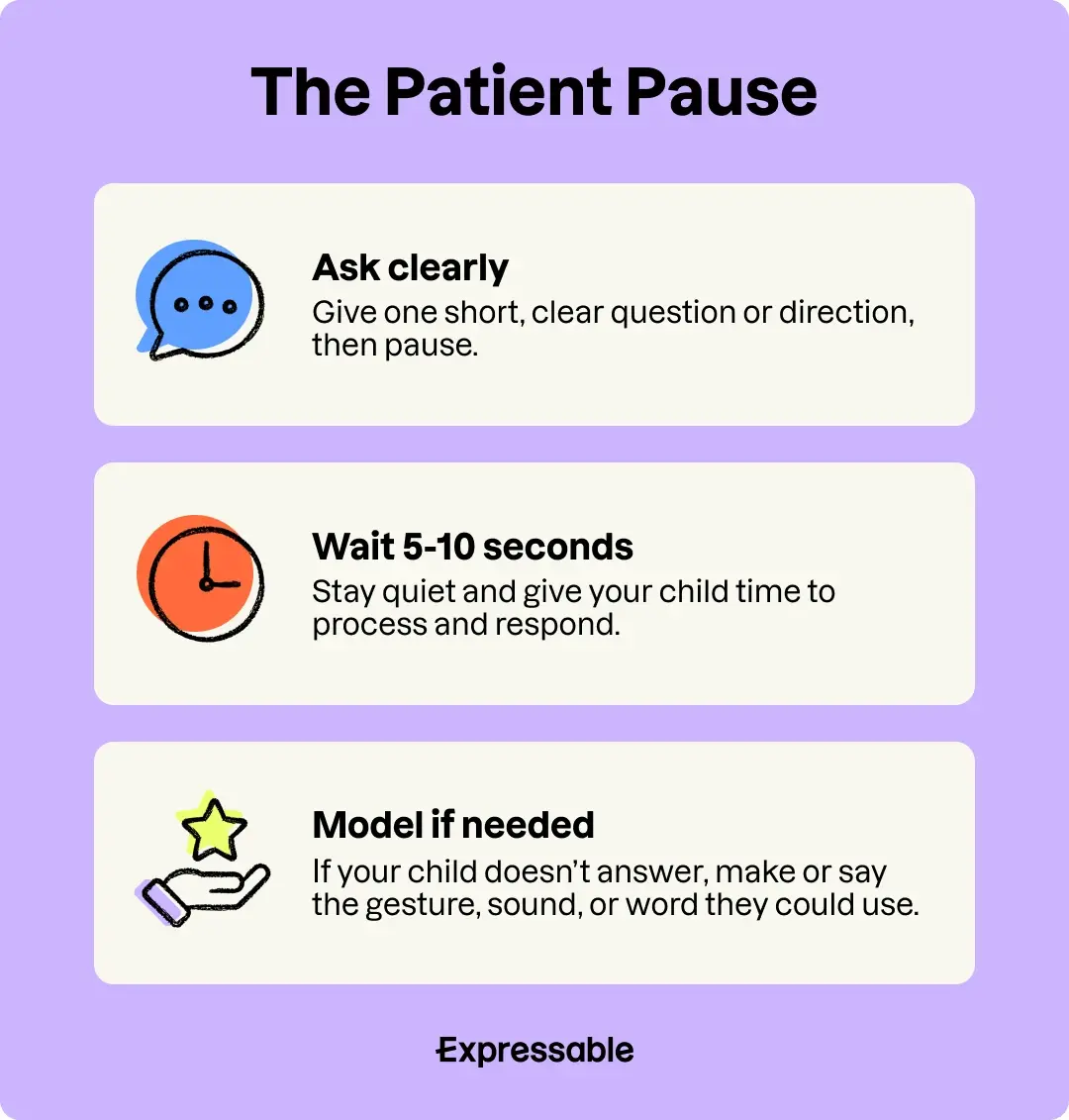
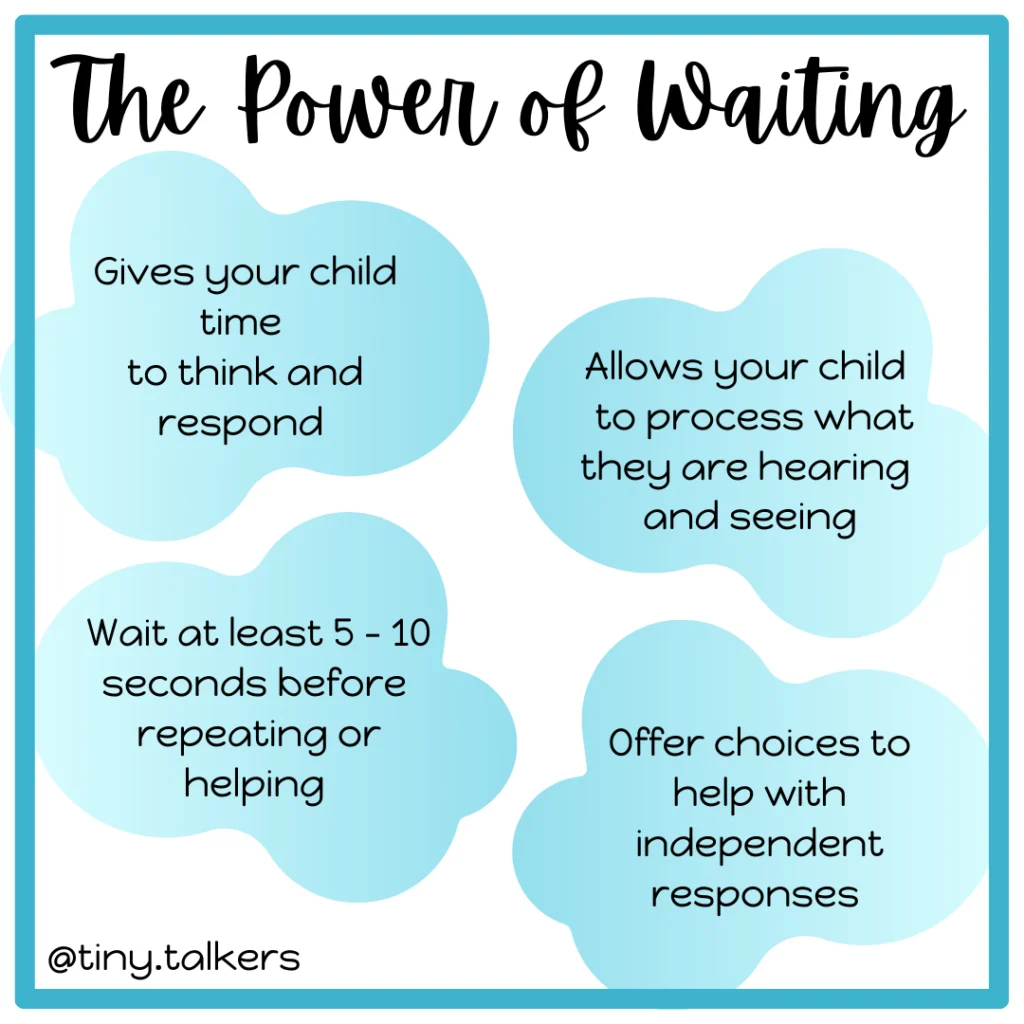
One of our favorite evidence-based strategies to support this growth is called Pause and Wait. This approach encourages caregivers to give children a little extra time to think, try, and problem-solve before stepping in to help.
Whether your child is attempting to open a snack bag, complete a puzzle, or zip their backpack, those extra few seconds create space for learning. During that pause, children are building problem-solving abilities, and developing a sense of independence that carries across environments.
How to support your child’s development during everyday interactions (ages 2–5):
Pause, then Support:
Give your child 5–10 seconds to try before stepping in. Watch what they do first, then offer just enough help if needed.
Example: Your child is trying to open a snack bag; pause and wait. If they struggle, model “pull this,” while pointing, instead of opening it for them.
Model, don’t rush in:
Show your child what to do instead of immediately fixing it for them.
Example: When a puzzle piece doesn’t fit, turn a similar piece slowly and say, “turn it,” giving them a chance to imitate.
Create opportunities to try:
Set up small challenges in daily routines that encourage independence.
Example: Slightly unzip their backpack so they can finish it, or hand them a closed container during snack time.
When you choose to pause and wait, you’re doing something incredibly powerful; you’re giving your child the space to think, try, and grow!! You don’t need to add more to your day or do anything complicated, just be present, be intentional, and trust the process. Your child is learning in every moment, and with your support, those everyday interactions become the foundation for lifelong skills. Keep going! You’re making a bigger impact than you think.
