

 September 2, 2026
 Sometimes we think supporting our child’s development means finding the “right” activity, buying the perfect toy, or creating a carefully planned learning opportunity. But some of the most meaningful opportunities happen in much simpler moments: sitting on the floor and playing together, listening when your child shows you something, laughing together, or slowing down enough to really notice what they are doing.
Your presence is what matters.
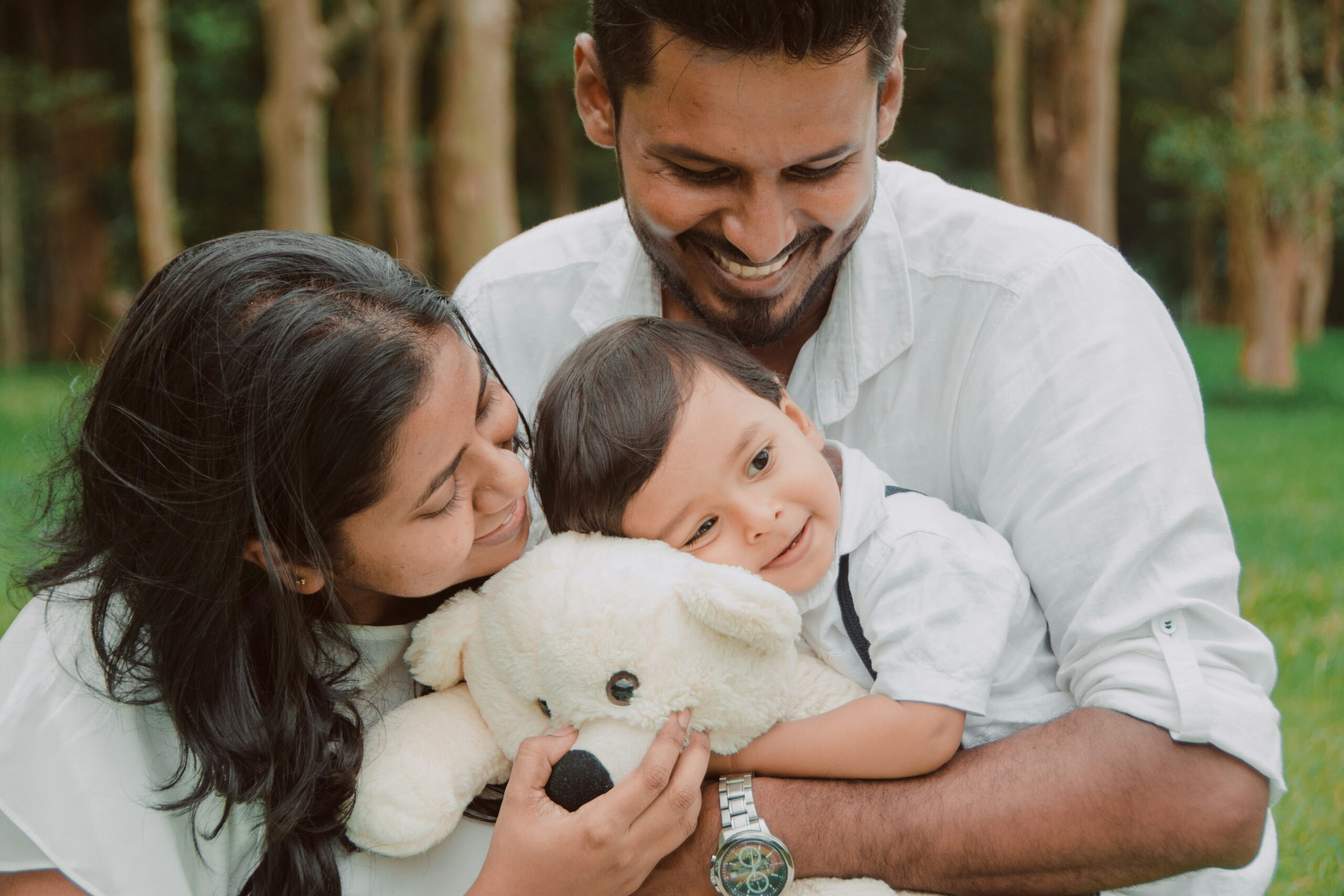
When we are truly present with our children, we are doing more than spending time together. We are showing them what connection looks like. We are modeling how to communicate, how to listen, how to handle frustration, how to take turns, and how to treat the people around us.

Children learn through relationships
A young child’s brain is constantly learning from the people around them. Research on responsive “serve and return” interactions describes the importance of these back-and-forth exchanges between children and caring adults. When a child points, talks, looks toward something, reaches for a toy, or shares an emotion, and an adult responds with attention and warmth, that interaction helps build the foundation for communication, social development, and emotional well-being.
This can be as simple as:
- Your child hands you a block → you look at it and say, “You found the blue block!”
- Your child points toward a dog → you follow their gaze and say, “I see the dog!”
- Your child becomes frustrated → you stay close, remain calm, and say, “That was hard. I’m here.”
Children don’t just learn from what we tell them. They learn from what they experience with us.
How we treat our children becomes part of what they learn.
One of the most powerful questions we can ask ourselves is: “How do I want my child to treat other people?”
- Do we want them to listen when someone is talking? We can practice listening with them.
- Do we want them to be gentle with their siblings? We can model gentleness.
- Do we want them to take turns? We can create opportunities to take turns together.
- Do we want them to use kind words when they are frustrated? We can model what that sounds like.
Of course, children will still grab, yell, interrupt, struggle with sharing, and have big feelings. These are all part of development. The goal isn’t to expect perfect behavior. Instead, we can use these everyday moments to teach the skills we want them to eventually use independently.
Most importantly, slow down
You don’t need hours of uninterrupted play every day. A few minutes of genuine connection can be meaningful.
Put the phone down. Get on the floor. Follow your child’s lead. Notice what they are interested in. Listen to what they are trying to tell you, even when they aren’t using words.
Research on parent-mediated interventions has found that increasing responsive behaviors during play can support children’s communication, and broader research continues to show the importance of responsive, natural interactions between caregivers and children.
The goal isn’t perfect parenting. It’s connection.
